
Envy and the Feeling of Unfairness
Death on the NileCharacters measure their own privations against Linnet’s visible advantages, while the story questions whether envy explains resentment or merely disguises deeper pain.
increasing Bearing strength in each event
 decreasing
Bearing strength in each eventdecreasingThe Town’s Complaint

Too Much of Everything
Linnet as spectacle
Two townsmen watch Linnet arrive in a scarlet car and list the money she will spend on Wode Hall. Her wealth is discussed as though it were an unfair share of life itself.
Resentment beneath admiration
The lean man says that a rich girl has no right to be beautiful too. The remark establishes envy as a social response to privilege, not simply a private flaw.
Rosalie’s First Reaction
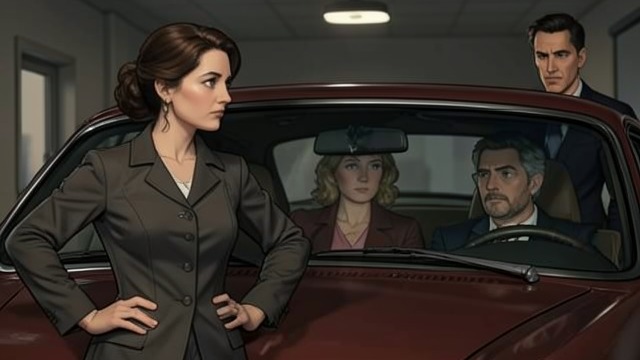
A Bitter Comparison
The heiress appears
Rosalie sees Linnet arrive with Simon and remarks that some people have everything. She is drawn to Linnet’s beauty and wealth while resenting the ease they seem to represent.
A feeling confessed
Poirot gives Rosalie room to admit that she wants to tear at Linnet’s confidence. Saying the ugly thought aloud allows it to pass without becoming an action.
Jacqueline’s Account of Glamour
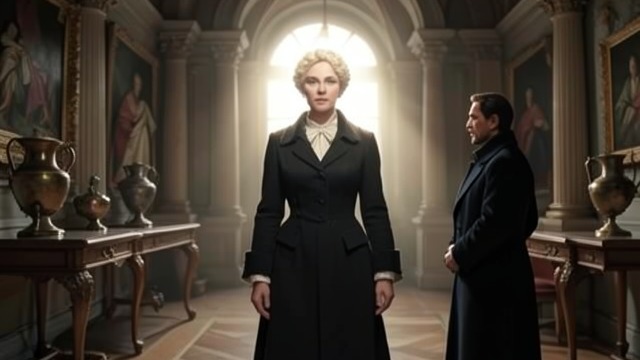
The World at Linnet’s Feet
A rival’s view
Jacqueline describes Linnet as a queen surrounded by luxury and certainty. She believes that Simon was dazzled by the social world and security Linnet represented.
A story that sustains revenge
Jacqueline’s explanation preserves her belief that Simon’s love remains hers. It converts rejection into an injustice committed by Linnet, allowing pursuit to feel justified.
Cornelia Refuses Resentment
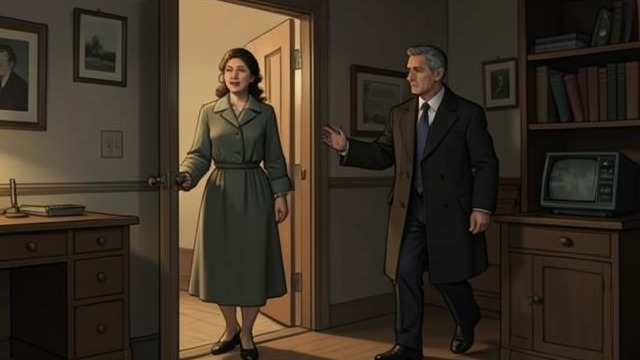
An Old Injury Released
A family loss
Ferguson reveals that Cornelia’s father was financially hurt by Linnet’s father. Cornelia admits a brief moment of resentment but refuses to define Linnet by an old business injury.
The future chosen
Her response echoes Ferguson’s claim that the future matters more than the past, but grounds it in compassion rather than ideology. Cornelia’s refusal to nurture envy contrasts with Jacqueline’s fixation.
The Price of Comparison
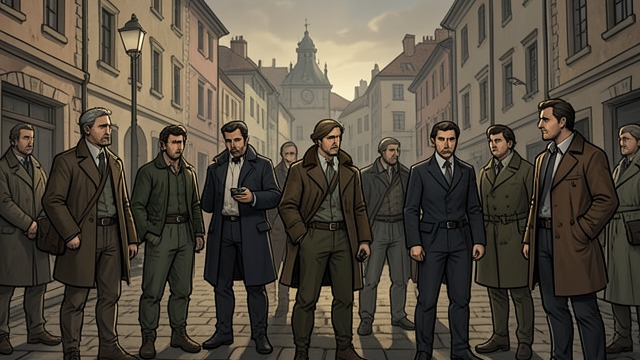
Envy Is Not One Motive
Different grievances
The town’s resentment, Rosalie’s jealousy, Jacqueline’s heartbreak and Cornelia’s inherited grievance do not lead to the same choices. A sense of unfairness can expose pain without determining conduct.
A moral distinction
Some characters speak honestly about envy and then let it go; others turn it into entitlement and violence. The novel measures them by what they do with the feeling.
At Malton-under-Wode, early in the story
When Linnet arrives at the Cataract Hotel
During Jacqueline’s private conversation with Poirot
After the deaths aboard the Karnak
After Poirot’s final reconstruction
